
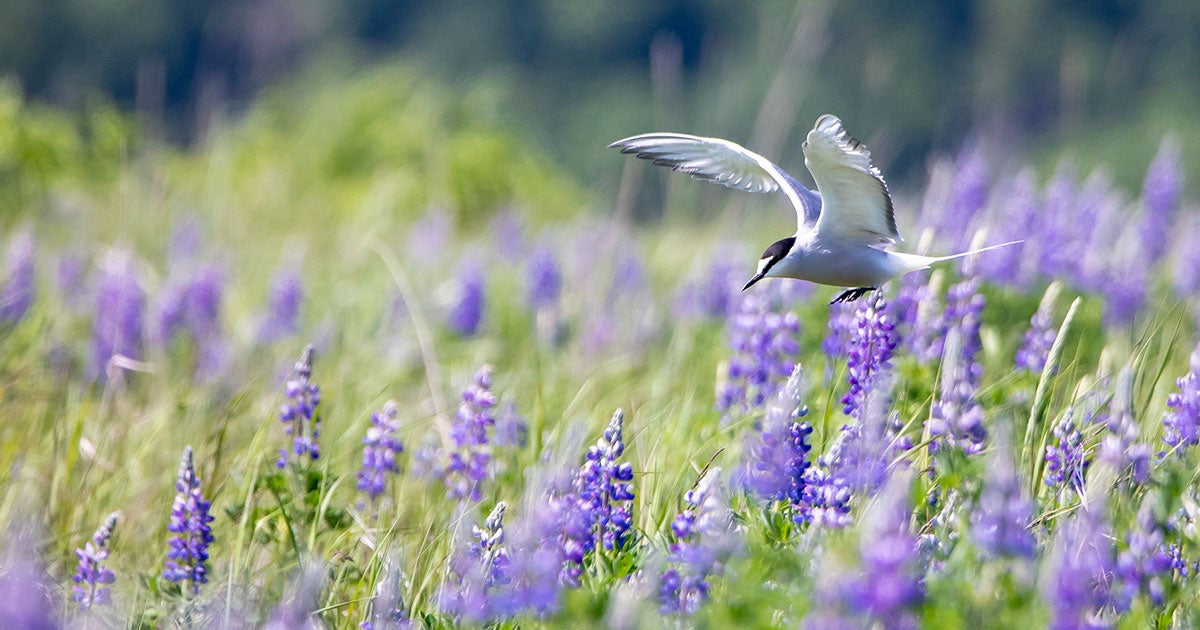
Some conservation stories are about a species we know is in trouble and why. The Aleutian tern story is different, because the biggest problem is how little we know. This Audubon magazine piece by Jenny McKee is one of the best explainers I’ve found on why scientists are so worried, and I wanted to share it here.
The story
The U.S. population of Aleutian terns is estimated to have fallen by more than 80 percent in recent decades. A 2015 study found that about a quarter of the known colonies in Alaska seemed to have disappeared. At Black Sand Spit near Yakutat, one of the state’s biggest colonies, counts went from around 3,000 birds in the 1980s to just a few hundred by 2021. Nobody knows yet whether those birds died or moved somewhere else.
The article walks through the suspects: food shortages, predators, climate change, habitat problems and pollution. Food is near the top of the list, since the terns’ traditional prey became harder to find after an ocean shift in the late 1970s. Add a migration of around 20,000 miles to winter in Southeast Asia, and the problem could be happening almost anywhere along the way.
Why it’s so hard to count them
Aleutian terns often nest right next to Arctic terns, and the two look nearly identical from a plane. The easiest tells are up close: Aleutian terns have black bills and legs and a white forehead, while Arctic terns have red bills and legs. That’s why the statewide survey pairs aerial flights with ground crews who count each colony by hand.
What’s at stake
The Aleutian tern is already listed as vulnerable by the IUCN and as a Species of Greatest Conservation Need in Alaska. The next few years of data will help decide whether it needs even stronger protection. In the meantime, simple things help: give nesting beaches space, keep dogs leashed, cut back on plastic and report any colonies you find to the U.S. Fish and Wildlife Service.
Read the full article at Audubon: Scientists Are Racing to Understand the Aleutian Tern’s Mysterious Decline
Featured photo: Lisa Hupp/USFWS